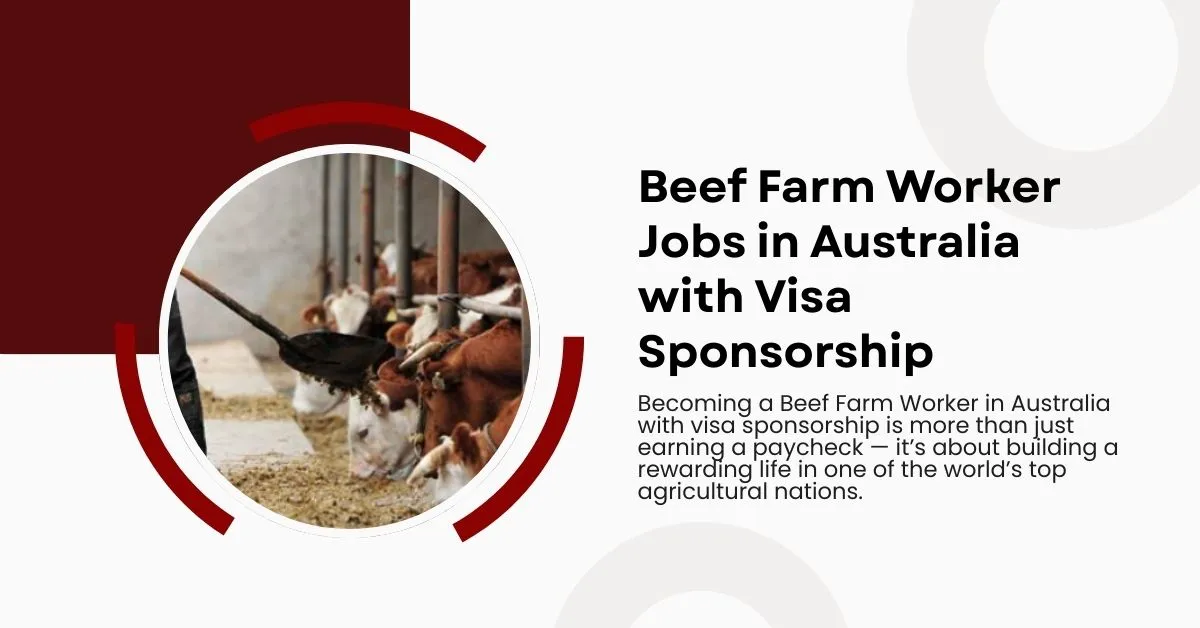
This is your chance to build a stable future without needing a university degree. Beef farms value a strong work ethic, physical stamina, and a willingness to learn above all else. In return for your dedication, you can earn a solid annual salary of AUD $55,000 to $65,000, often with benefits like accommodation and paid leave.
This guide will walk you through the types of roles available, the visa sponsorship process, and the practical steps to secure your position on an Australian cattle farm for the 2026 season.
Why There is Demand for Beef Farm Worker Jobs in Australia?
Australia’s beef industry is a cornerstone of its economy, and this creates a consistent demand for skilled and dedicated workers. Several key factors drive this need:
- A Global Beef Export Powerhouse: As one of the world’s largest beef exporters, Australia’s agricultural sector depends on a reliable workforce to maintain production levels that meet significant domestic and international demand.
- Shortage of Local Agricultural Workers: Rural and remote areas, where many cattle stations are located, often experience a shortage of local labour. Visa sponsorship programs are essential for farms to recruit international workers for both entry-level and skilled positions.
- Emphasis on Sustainable and Ethical Production: With a growing global focus on sustainable farming, there is an increased need for workers skilled in best practices for animal welfare, pasture management, and environmental stewardship.
- Seasonal and Remote Labour Needs: The vast scale of Australian cattle stations, particularly in remote outback regions, requires a mobile and willing workforce, especially during peak seasons like mustering, calving, and drought feeding.
Read Also: Agricultural Labor Careers In Australia With Sponsorship
Types of Beef Farm Worker Jobs Available in Australia:
Roles on Australian beef cattle stations are diverse, offering a range of responsibilities. Common positions include:
1. Cattle Handler / Stockperson
This core role involves the daily care and handling of cattle, including mustering (rounding up livestock on horseback, motorcycle, or helicopter), drafting (sorting), feeding, and monitoring animal health and behaviour.
2. Farm Maintenance Worker
Responsible for the upkeep of the station’s infrastructure, this role includes repairing fences, maintaining water points, and ensuring buildings and yards are safe and operational. This is critical in the harsh Australian environment.
3. Animal Health Assistant
Working under the direction of a manager or veterinarian, this assistant helps with vital tasks such as vaccinating, drenching (administering parasite control), and treating sick or injured animals.
4. Ranch Hand / General Farm Hand
A versatile role requiring a broad skill set. Duties can include everything from feeding livestock and checking fences to assisting with machinery operation and bore runs (checking water supplies).
5. Machinery Operator
Operators are responsible for driving and maintaining heavy machinery like tractors, bulldozers, and trucks used for tasks such as sowing crops for feed, moving hay, and earthworks.
Salary Expectations for Beef Farm Worker Jobs in Australia:
Salaries are competitive and reflect the physical nature of the work and the remote locations.
- Entry-Level Workers: Those new to the industry can expect to start with salaries around AUD 55,000 per year. These roles typically include comprehensive on-the-job training.
- Experienced and Specialised Workers: Skilled stockpersons, head stockmen, or machinery operators with proven experience can earn AUD 65,000 or more annually. Roles with additional responsibilities often come with higher pay.
- Additional Benefits: A significant advantage of these roles is that many employers provide accommodation and meals as part of the package. Other benefits may include a vehicle, paid leave, and overtime or bonuses during intense mustering periods.
Job Responsibilities of a Beef Farm Worker in Australia:
The daily life of a beef farm worker is physically demanding but varied and rewarding. Key responsibilities include:
- Feeding and Watering Cattle: Ensuring livestock have adequate feed and reliable access to clean water, which can involve distributing hay or supplements and checking water troughs and bores.
- Mustering and Moving Cattle: Safely and efficiently herding cattle across vast paddocks using various methods to bring them to the yards for health checks, branding, or shipment.
- Monitoring Cattle Health: Constantly observing the herd for signs of illness, injury, or nutritional deficiencies and reporting concerns promptly.
- Maintaining Farm Infrastructure: A continuous cycle of repairing fences, maintaining yards, and servicing equipment to ensure the property runs smoothly and safely.
- Assisting with Calving and Breeding Programs: Helping during the calving season by monitoring pregnant cows, assisting with difficult births, and caring for newborn calves.
- Adhering to Safety Protocols: Strictly following workplace health and safety guidelines to prevent accidents when working with large animals, machinery, and in isolated conditions.
Requirements for Beef Farm Worker Jobs in Australia with Visa Sponsorship:
While a strong work ethic is paramount, international candidates must meet specific criteria for visa sponsorship:
- Physical Fitness and Stamina: The work is intensely physical, requiring long hours outdoors in all weather conditions, often involving heavy lifting and strenuous activity.
- Basic Understanding of Animal Husbandry: While training is provided, a genuine interest in and basic knowledge of livestock handling and care is a significant advantage.
- Familiarity with Farm Machinery (Advantageous): Experience with or a willingness to learn to operate farm vehicles and machinery is highly valued.
- Reliability and a Strong Work Ethic: Farms depend on reliable staff. Employers seek candidates who are diligent, responsible, and adaptable to the challenges of station life.
- Work Visa Eligibility: The most common visa pathways are the Temporary Skill Shortage (TSS) Visa (Subclass 482) for longer-term skilled roles and the Working Holiday Maker (WHM) Visa (Subclass 417/462) for seasonal work. The sponsoring employer will guide you through the specific requirements, which include proof of skills, health checks, and a valid passport.
Key Benefits:
- Legal Work Status & Stability
Visa sponsorship means you can live and work lawfully in Australia. This gives you protection under Australian labor laws, access to worker rights, safer working conditions, etc. - Competitive Pay
Beef farm workers with visa sponsorship often receive wages well above the minimum in many cases. Experienced or specialized workers (machinery, livestock health, etc.) can command higher pay. - Accommodation & Living Support
Especially in remote or rural farm locations, some employers provide free or subsidized housing (on-farm accommodation) or housing allowances, which lowers cost of living. - Skill Development / On-the-Job Training
Many roles don’t require prior experience, but you gain valuable skills: handling livestock, operating farm machinery, animal health monitoring, pasture management, infrastructure maintenance, etc. These are useful skills that can open up further opportunities. - Job Demand & More Opportunities in Rural Areas
There is strong demand in cattle/beef farming in Australia, especially in rural/remote areas. This means more job openings, especially during seasonal peaks (calving, mustering, etc.). Being willing to work in those areas can increase the chances of sponsorship. - Pathway to Longer Stay or Residency
Some visa categories under which sponsorship might be offered (for example, employer-sponsored visas, regional visas) can lead to more stable/longer visa status, and sometimes permanent residency. Workers who stay in regional areas or under certain visa schemes may have additional options. - Better Employee Benefits
Besides wage, some jobs may offer additional benefits such as overtime pay, bonuses, paid leave, holiday entitlements, health and safety protection, potentially health insurance for certain visa holders, etc. - Reduced Living Costs / Support
On-farm housing, possibly meals, and reduced transportation issues if the employer assists—these help reduce your expenses significantly. Remote work usually entails costs, so support from the employer helps. - Outdoor Lifestyle & Work Variation
Working on farms means lots of outdoor work, nature, changing tasks, freedom from usual office setting. For many people this is a big non-monetary perk. - Cultural Exposure & Networking
You get to work in a multicultural environment, learn about Australian rural culture, connect with others from different backgrounds, and perhaps improve your English if it’s not your first language.
How to Apply for Beef Farm Worker Jobs in Australia with Visa Sponsorship?
A targeted approach is essential for international candidates:
- Research Potential Employers: Focus on large cattle stations and agricultural companies in states like Queensland, the Northern Territory, and Western Australia, as they are more likely to sponsor visas.
- Use Specialised Job Platforms: Utilise Australian job boards like Seek and Indeed, and set filters for “visa sponsorship.” Also, explore niche agricultural recruitment websites like AgriLabour Australia and Rural Enterprises Australia.
- Tailor Your Application: Prepare a resume that highlights any physical work, animal handling, or machinery experience. In your cover letter, emphasise your adaptability, resilience, and motivation to work in the Australian outback.
- Engage with Agricultural Recruitment Agencies: Specialist agencies have direct connections with farmers seeking overseas workers and can significantly improve your chances of finding a sponsored position.
- Navigate the Visa Process with Your Employer: Once you receive a formal job offer, work closely with your employer to complete the visa application (typically the TSS Subclass 482), providing all required documentation accurately and on time.
Conclusion:
A career as a Beef Farm Worker in Australia offers more than just a job; it’s an immersive experience in one of the world’s leading agricultural sectors. It provides a viable pathway for individuals without formal qualifications to build a meaningful career, supported by a legal visa and fair working conditions. The role demands physical resilience and adaptability but rewards with competitive pay, a unique lifestyle, and the pride of contributing to a vital industry.
Frequently Asked Questions:
-
What visa do I need, and how does sponsorship work?
The primary visa for this role is the Temporary Skill Shortage (TSS) Visa (Subclass 482). Your Australian employer acts as your sponsor, proving they cannot fill the role locally. They will guide you through the application process once you have a formal job offer.
-
Do I need prior experience with cattle?
While prior experience is a definite advantage, many farms are willing to train motivated individuals with a strong work ethic. A basic understanding of animal care and a comfort level with physical, outdoor work are the most important qualities